

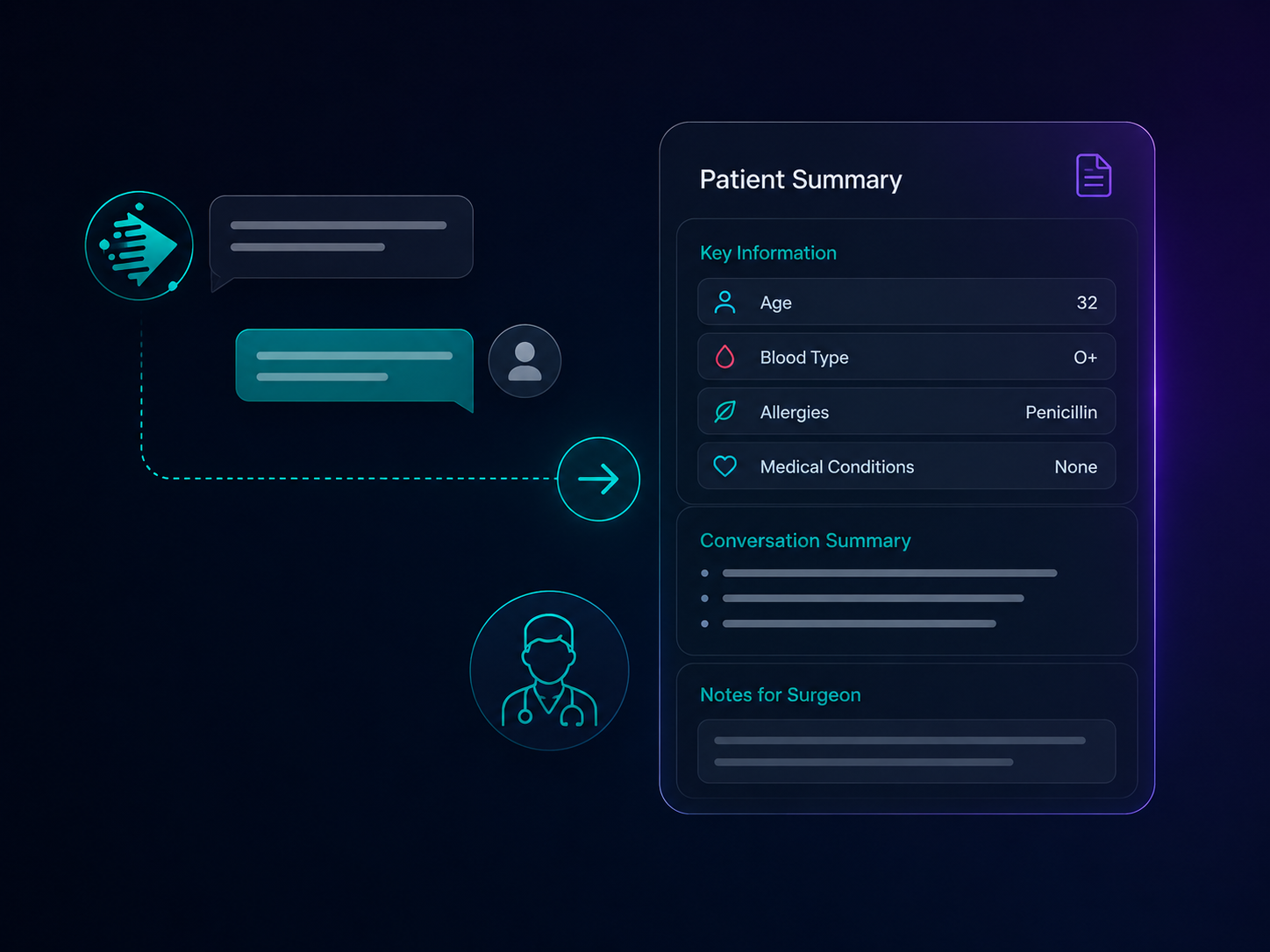
Before a patient even sits down in the consultation chair, they have already asked questions, expressed fears, and mentioned relevant clinical information in a previous conversation—whether by phone, via WhatsApp, or through the website’s chat feature. The problem is that this information almost never reaches the surgeon in an organized manner. It arrives in fragments, relying on the memory of whoever took the call, or it simply gets lost. This is no minor detail. Clinical documentation currently consumes about 49% of a doctor’s workday, according to a study published in JAMA on the use of ambient AI in medical offices. In Mexico, recent studies place that figure between 34% and 55% of working time spent completing medical records, transcribing notes, and processing results—time that doctors would prefer to invest directly in the patient. And the strain is not merely theoretical: a study focusing specifically on plastic surgeons found a 30% prevalence of burnout in the specialty, while the administrative burden is consistently cited as one of the main drivers of professional burnout—even more so than patient volume or clinical complexity. The other side of the problem is information that simply doesn’t get through. When a potential patient mentions in a preliminary conversation that they have an allergy, a specific blood type, a particular fear of anesthesia, or a history of previous surgery, that information should be available before the initial evaluation. But without a system to capture and organize it, it depends on the memory of the person who took the call, a handwritten note on a Post-it, or it simply isn’t recorded at all. When the time finally comes for the in-person consultation, the surgeon has to ask all the questions again from scratch, prolonging the appointment and creating a sense of disorganization for the patient—precisely at the moment when trust in the doctor is being most closely evaluated. Evidence on AI-assisted documentation systems in other specialties already points to a different path forward. An analysis by The Permanente Medical Group found that the use of automatically generated notes saved more than 15,700 hours of documentation in a single year within a single healthcare system. A joint study by Mass General Brigham and Emory found a 21% reduction in physician burnout and a 31% improvement in well-being indicators after adopting AI-assisted documentation. In small practices, recent surveys report up to a 41% reduction in time spent on documentation and a 60% reduction in reported burnout after adopting these types of tools. IntelAgent applies this same logic to the initial conversation with the patient. Every interaction—whether to ask about a procedure, schedule an appointment, or address a concern—is automatically converted into structured notes: which procedure the patient is interested in, what questions they asked, what fears they expressed, what allergies or medical conditions they mentioned, and how long the conversation lasted. The surgeon arrives at the consultation with the patient’s full context already in hand and can review the original conversation whenever needed. The consultation becomes shorter, more precise, and the patient feels heard from the very first contact.
What the Surgeon Doesn't Know Before the Consultation: The Cost of Seeing a Patient Without Their Complete Medical History
Clinical documentation takes up to 49% of a doctor’s workday, and the burden of note-taking is one of the main drivers of burnout, with a prevalence of 30% specifically among plastic surgeons. Much of the valuable information that patients share before their appointments—allergies, fears, blood type, previous procedures—is lost due to the lack of a system to capture it. Studies on AI-powered documentation show reductions of up to 41% in time spent on notes and 60% in reported burnout. IntelAgent converts every conversation with the patient into structured notes and summaries ready for the surgeon, shortening the assessment process and improving the experience from the very first contact.
Keep reading
June 27, 2026 · NEOERA Team
The Hidden Cost of Not Responding in a Timely Manner: What the Data Says About 24/7 Care in Plastic Surgery
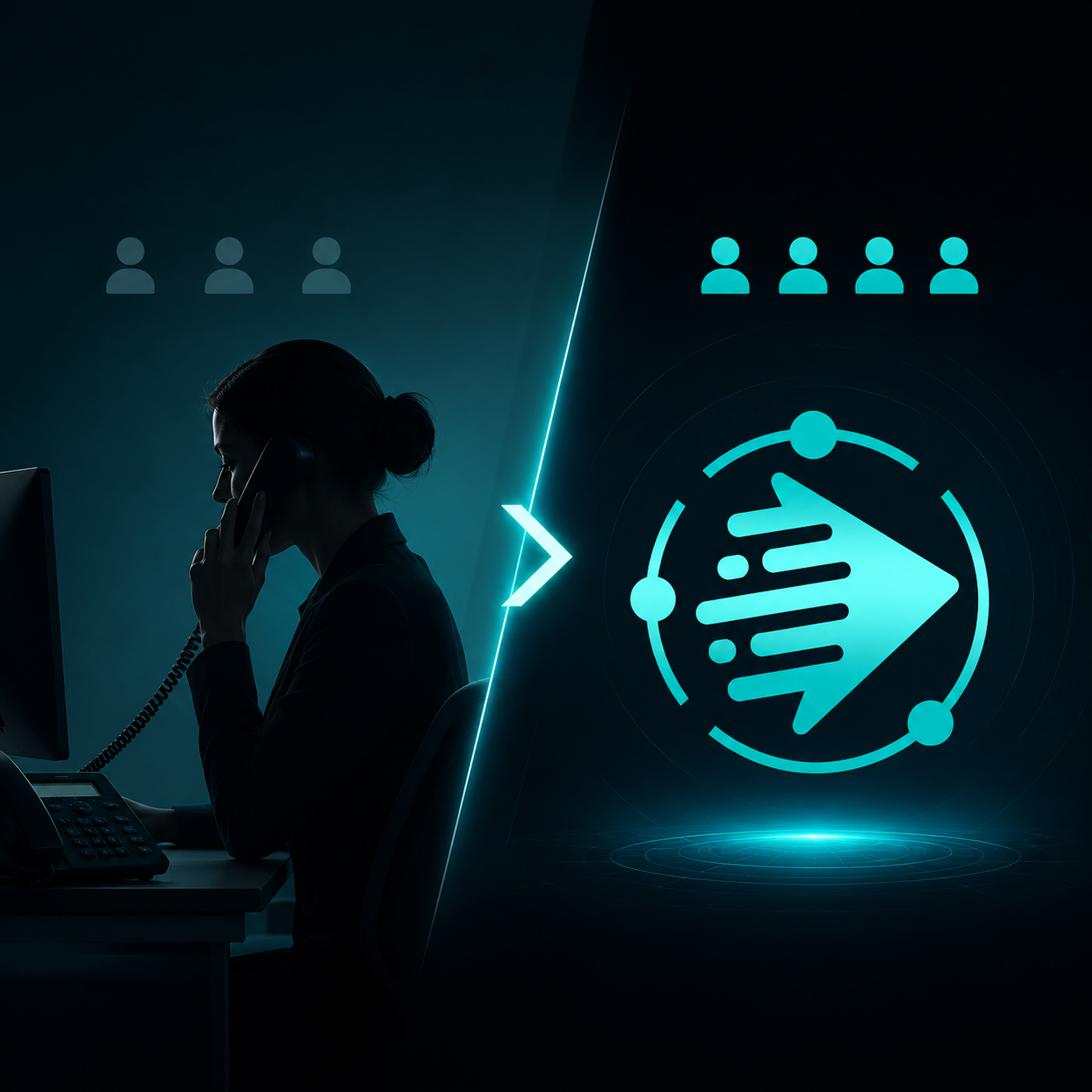
Every call or message that isn’t answered in a timely manner costs a plastic surgery practice real money: up to $2,000+ in expected value per missed call, and conversion rates that drop by up to 80% if the call isn’t answered within 15 minutes. Patients do their research at night, wait just 90 seconds before hanging up, and nearly a third never call back. Intel Agent solves this by answering and scheduling appointments 24/7, capturing that critical window of minutes when most conversions are decided.
June 26, 2026 · NEOERA Team
The waiting room should no longer be a physical space: what the data says about digital check-in and the perception of wait times
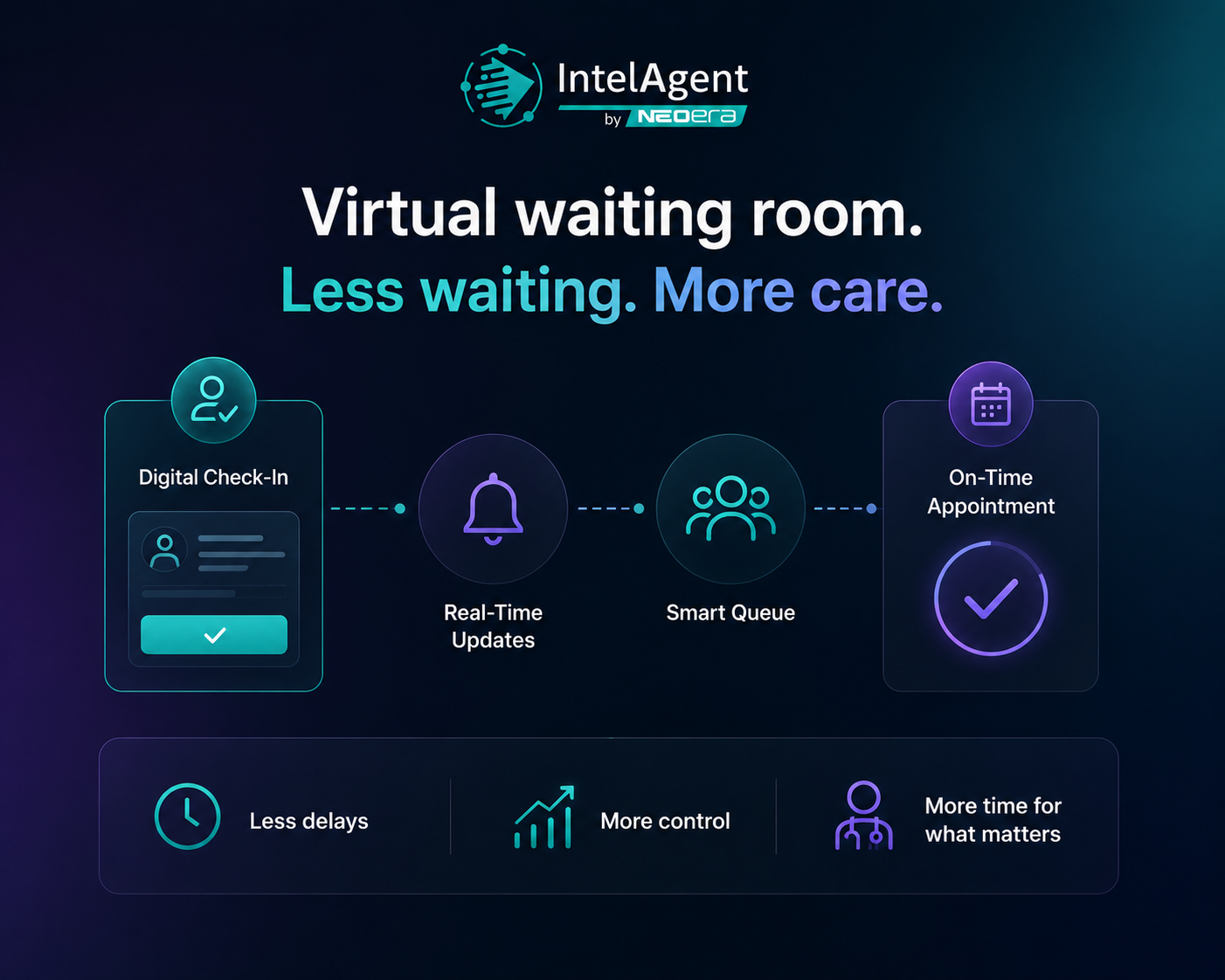
Patient satisfaction depends more on the perceived wait time than on the actual wait time, and a lack of information about how long the wait will be measurably reduces satisfaction. Digital check-in in healthcare has shown reductions of up to 40% in wait times, improvements in satisfaction from 3.4 to 4.7 out of 5, and up to 50% fewer registration errors. Eighty percent of patients would switch providers solely for convenience, regardless of the quality of care. IntelAgent extends this digital check-in approach to the entire patient journey—from appointment confirmation to arrival at the office—reducing friction and building trust from the very first point of contact.