

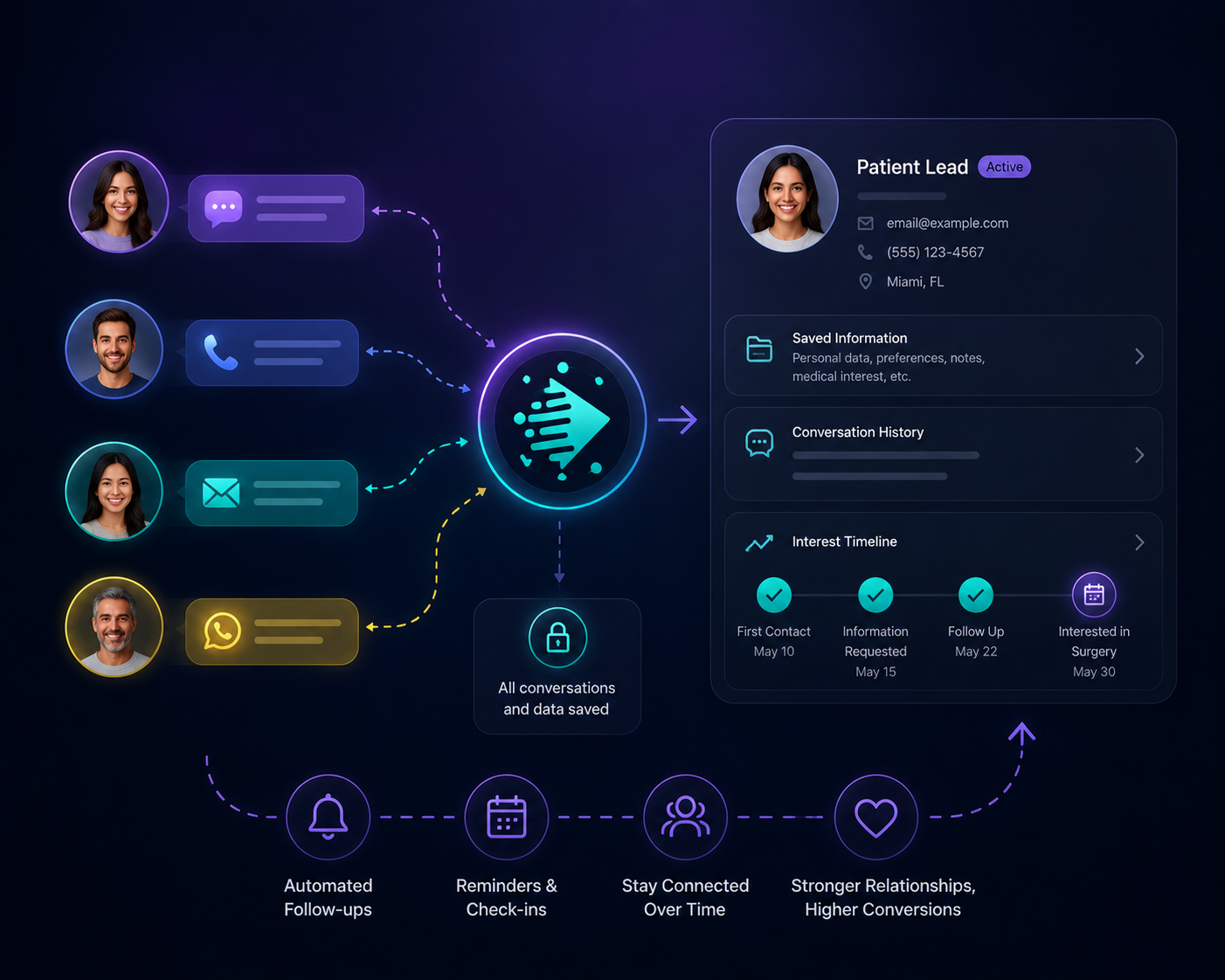
Most plastic surgery practices treat each conversation with a potential patient as an isolated event: if an appointment is scheduled, it stays in the system; if not, the lead is simply lost. The data shows that this is possibly the most costly and least visible loss in any business that relies on leads, including cosmetic surgery. Various studies on sales management agree on an alarming figure: about 80% of leads are lost due to a lack of follow-up—not because they weren’t interested, but because no one contacted them again. Other analyses put the loss between 40% and 70% for companies that lack a structured system for recording and following up on leads. The cause is rarely a lack of genuine interest: 60% of customers say “no” up to four times before accepting, but 92% of those who follow up give up after the fourth attempt. In other words, most give up just before the point where they would likely have gotten a “yes.” The same pattern holds true for the actual purchasing decision: 80% of B2B sales are closed after the fifth contact, while 90% of salespeople give up after the second. Applied to plastic surgery, this means that a patient who inquired about a rhinoplasty three months ago and didn’t schedule an appointment hasn’t necessarily lost interest: it’s very likely that they simply haven’t received any further contact since then. Companies that automate the management and follow-up of their contacts report up to 451% more qualified leads than those that rely on manual processes. This is particularly relevant in cosmetic surgery, where the decision to undergo surgery rarely happens during the first contact. A patient may reach out to inquire about a procedure, receive information, and then take months to secure the necessary funds, discuss the matter with their family, or simply feel emotionally ready. If that contact—their name, email, phone number, and the nature of their inquiry—wasn’t recorded anywhere, the practice completely loses the opportunity to resume the conversation at the right time, and all the money invested in attracting that patient is lost along with them. IntelAgent solves this by automatically capturing information about every patient who speaks with the agent, regardless of whether they schedule an appointment right away or not. Each contact—including their name, contact information, procedure of interest, and stage of the conversation—is stored in a patient database that the surgeon can use later: to follow up with those who didn’t schedule an appointment, to send relevant content or promotions based on the procedure they inquired about, or simply to maintain an active relationship with people who might one day decide to undergo surgery. Instead of starting from scratch with every marketing campaign, the surgeon gradually builds up their own asset: a database of real, qualified patients who are ready to be contacted again.
The patient who says “no” today may be the patient who undergoes surgery in six months: why no contact should be missed
Up to 80% of leads are lost simply due to a lack of follow-up, not a lack of genuine interest; most purchasing decisions are made after several points of contact, but most follow-ups are abandoned too soon. In cosmetic surgery, where deciding to undergo a procedure can take months, losing that contact also means losing the investment made to attract the patient. IntelAgent automatically saves the data of every patient who speaks with the agent—whether or not they schedule an appointment—building a patient database that the surgeon can reactivate and use for future marketing.
Keep reading
June 27, 2026 · NEOERA Team
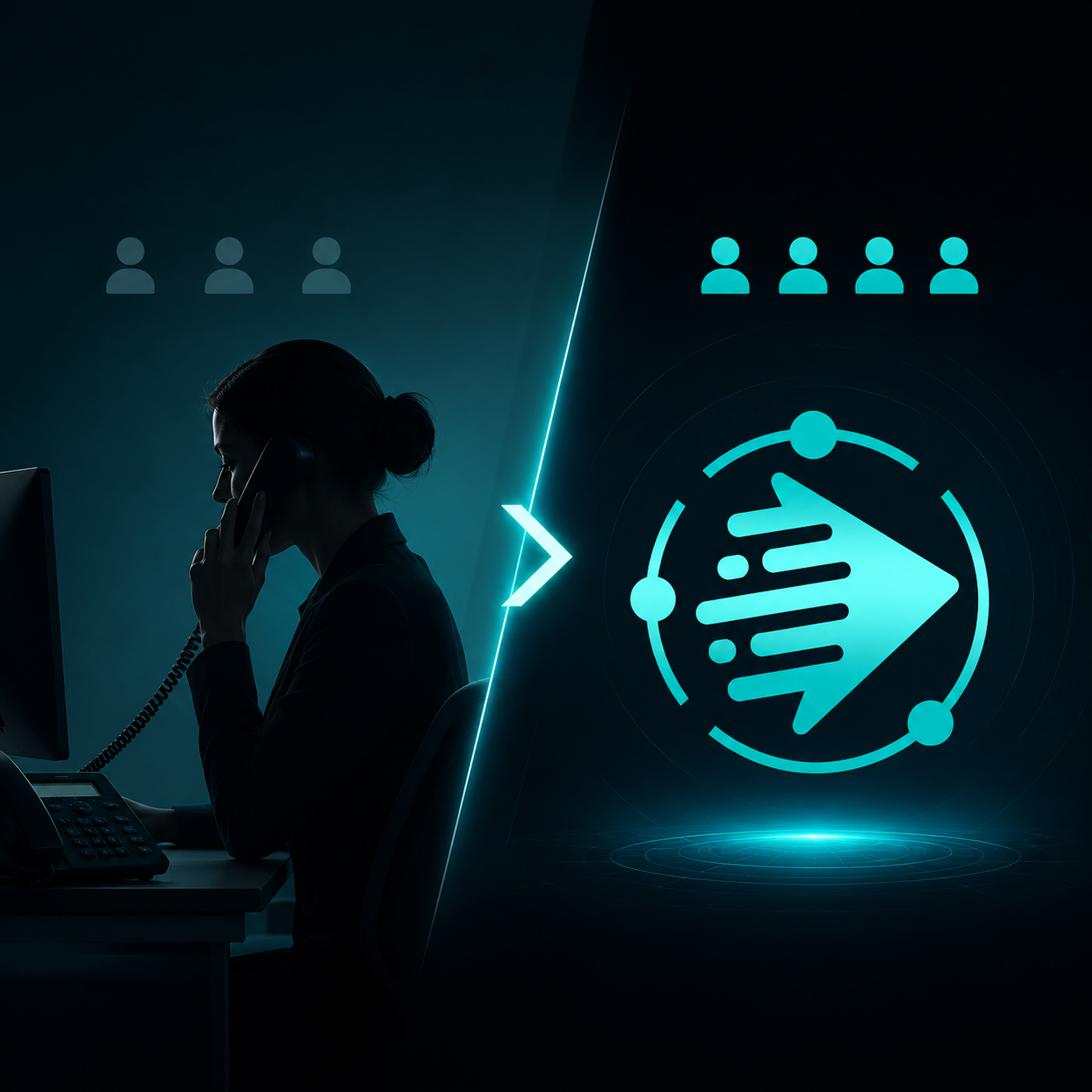
The Hidden Cost of Not Responding in a Timely Manner: What the Data Says About 24/7 Care in Plastic Surgery
Every call or message that isn’t answered in a timely manner costs a plastic surgery practice real money: up to $2,000+ in expected value per missed call, and conversion rates that drop by up to 80% if the call isn’t answered within 15 minutes. Patients do their research at night, wait just 90 seconds before hanging up, and nearly a third never call back. Intel Agent solves this by answering and scheduling appointments 24/7, capturing that critical window of minutes when most conversions are decided.
June 26, 2026 · NEOERA Team
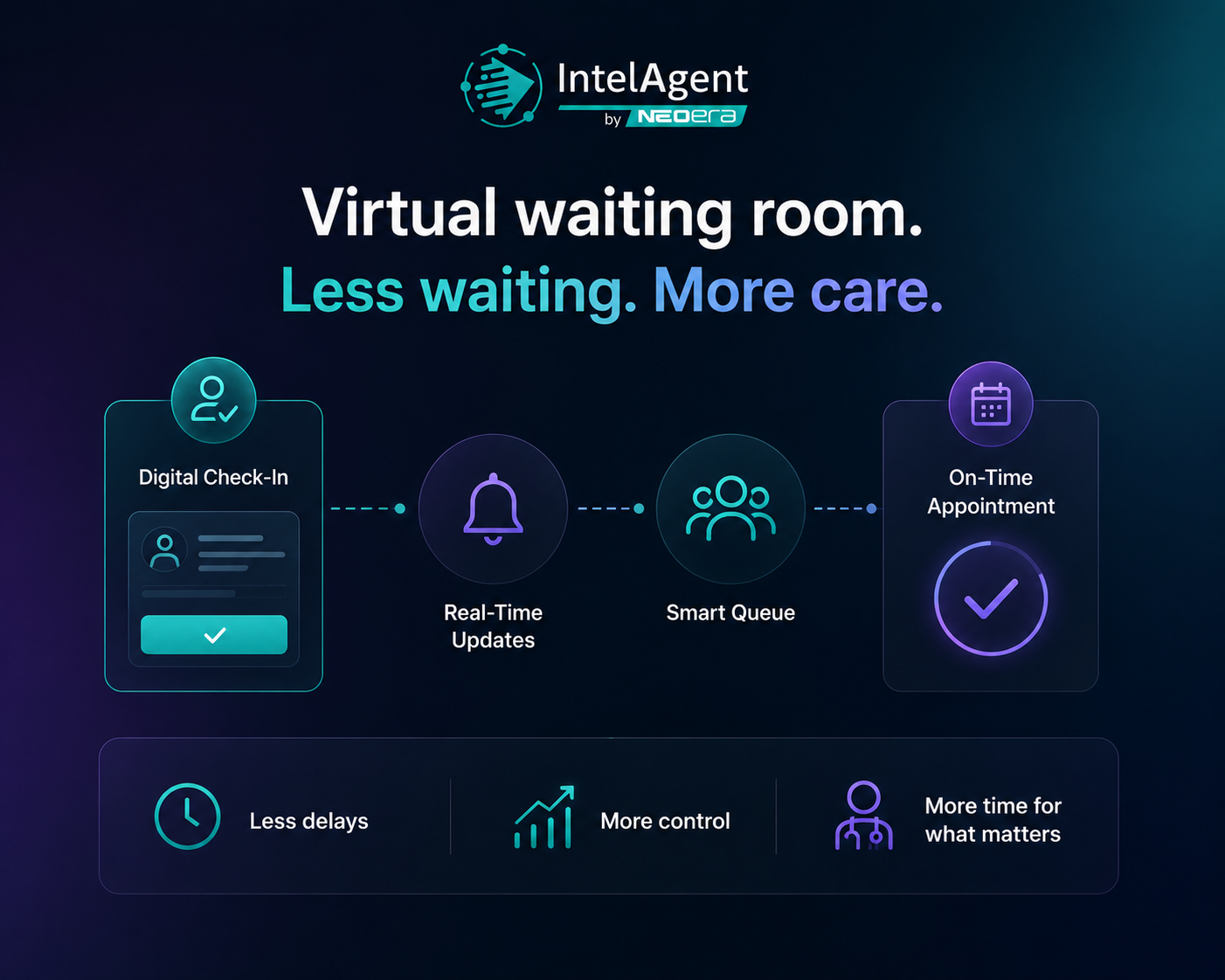
The waiting room should no longer be a physical space: what the data says about digital check-in and the perception of wait times
Patient satisfaction depends more on the perceived wait time than on the actual wait time, and a lack of information about how long the wait will be measurably reduces satisfaction. Digital check-in in healthcare has shown reductions of up to 40% in wait times, improvements in satisfaction from 3.4 to 4.7 out of 5, and up to 50% fewer registration errors. Eighty percent of patients would switch providers solely for convenience, regardless of the quality of care. IntelAgent extends this digital check-in approach to the entire patient journey—from appointment confirmation to arrival at the office—reducing friction and building trust from the very first point of contact.